From Idea to Install
ANDERSONVILLE’S
Home Improvement Resource
Rooted in Centuries of Family Heritage & Craftsmanship
Big Ideas, Real Impact
Brand Manifesto Here

Meet the Makers
-
![]()
Barber Wilsons & Co.
Barber Wilsons & Co began in London in 1905, when brothers Walter and William Wilson partnered with Edward Barber to form a workshop devoted to finely made brassware. From the start, their work was rooted in casting, forging, and careful hand-finishing — the kind of craftsmanship built for daily use and long life.
Through the decades, the company endured war and rebuilding, supplied major projects, and later revived classic designs from its early catalogues as interest in period homes returned. Across four generations, Barber Wilsons has evolved without losing its character: fittings defined by weight, precision, and timeless proportion. A Royal Warrant reflects the reputation they have earned for excellence in manufacture and service.
At Heritage Home Supply, Barber Wilsons represents the quiet luxury of well-made essentials — taps and fittings that feel substantial in the hand, age beautifully, and become part of a home’s long story.
Photograph: Workers gathered outside the Barber Wilsons & Co workshop in early-20th-century London, standing beneath the company name that marked the beginning of a brassware legacy.
-
![]()
Little Greene Paint & Paper
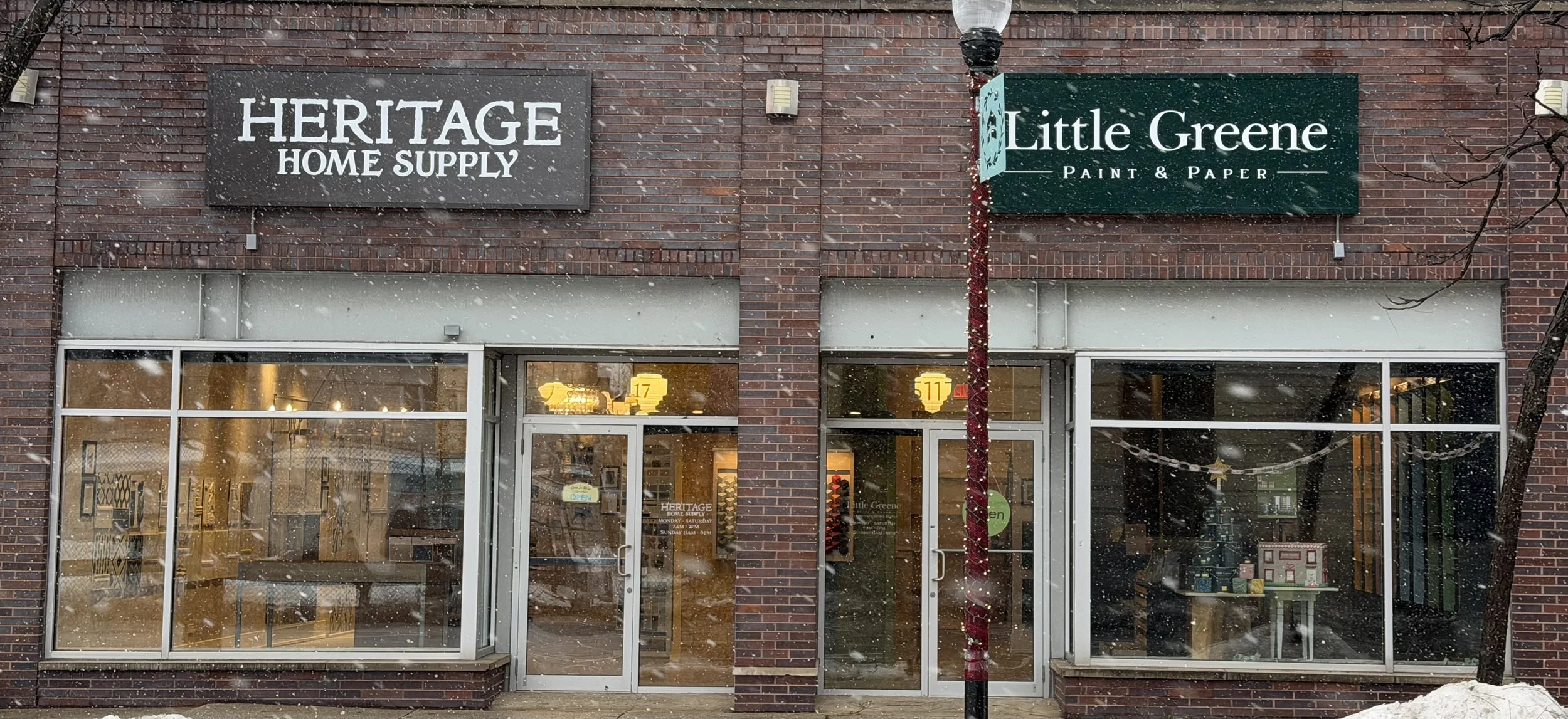
Records from 1773 reference a small company on the banks of the Irk and Irwell called The Little Greene Dye Works of Collyhurst Wood. This 18th-century hamlet, once home to mills, craftsmen, and early color makers — still anchors the brand’s identity today. The maps printed on each paint tin pay homage to that landscape and its role in shaping British manufacturing.The Little Greene Paint Company was revived in 1996 by chemist David Mottershead, who believed paint should carry depth, authenticity, and the patience of true craftsmanship. His children, Ruth and Ben, now continue that vision in the family’s Welsh factory, overseeing each pigment, finish, and pattern with care.For them, color is personal: evenings testing samples at the kitchen table, days refining formulas at the mill, and a long-held devotion to preserving the integrity of British paintmaking. Under their stewardship, Little Greene remains a family-owned company rooted in heritage — proof that some crafts endure because a family chooses to keep them alive.
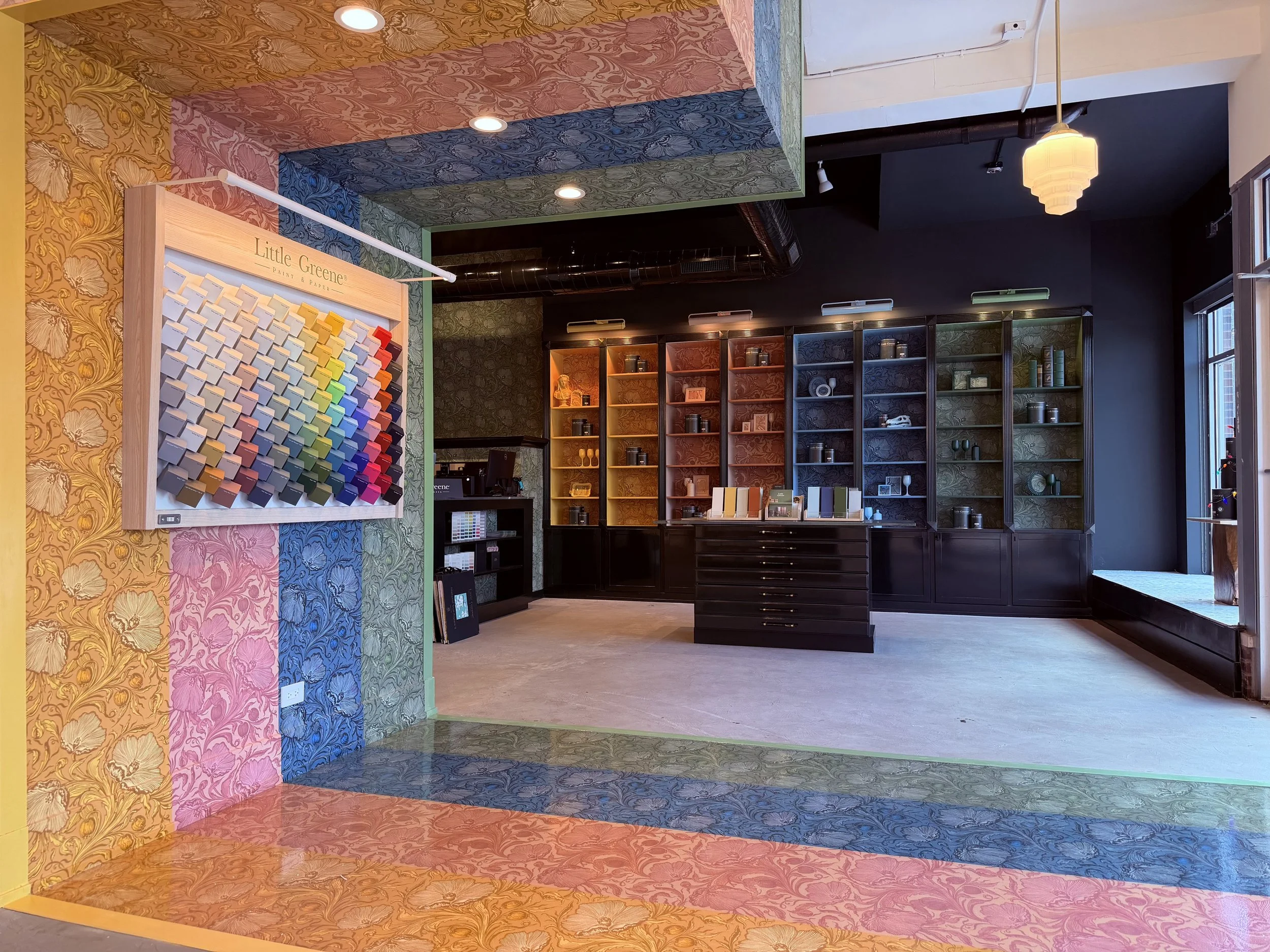
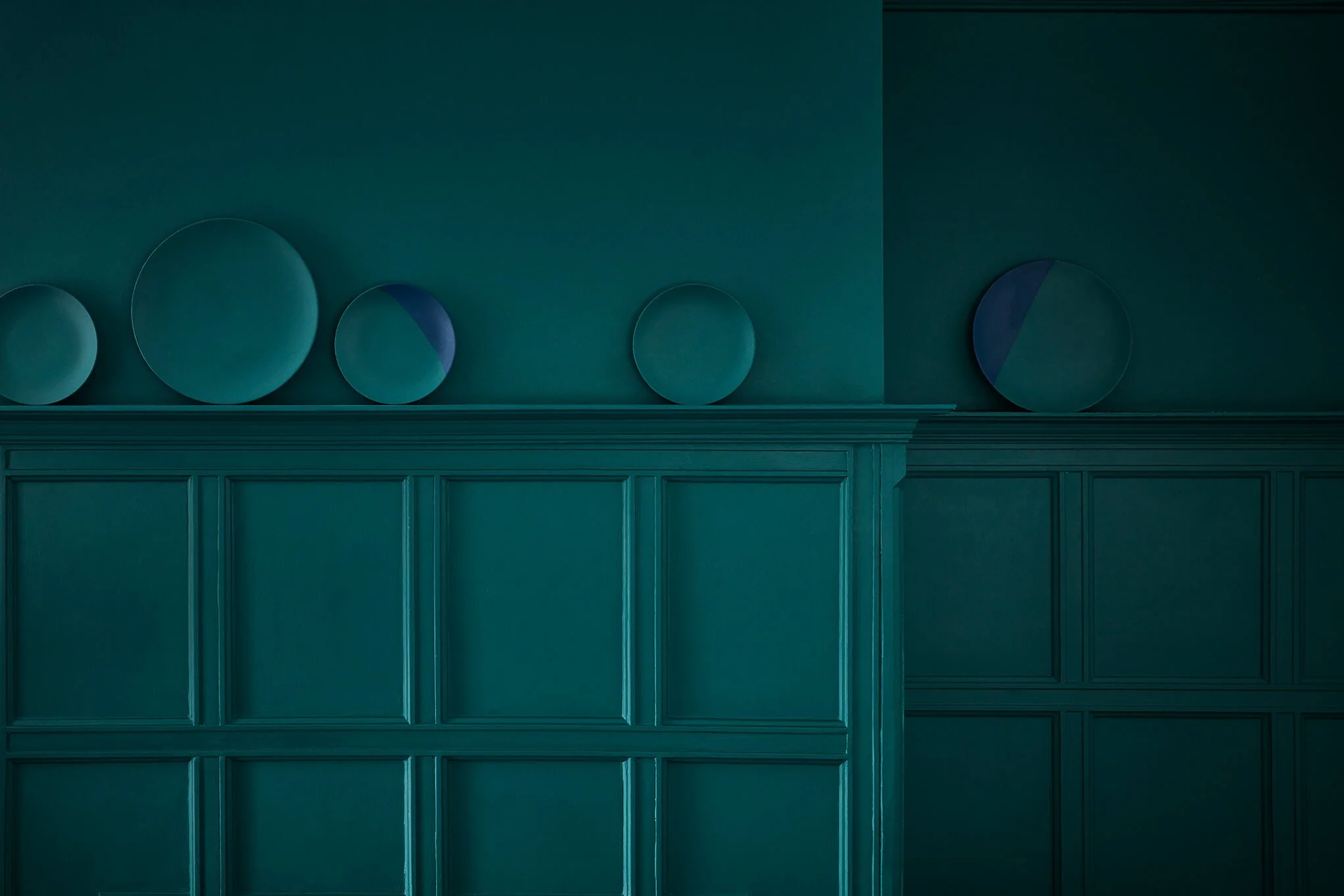
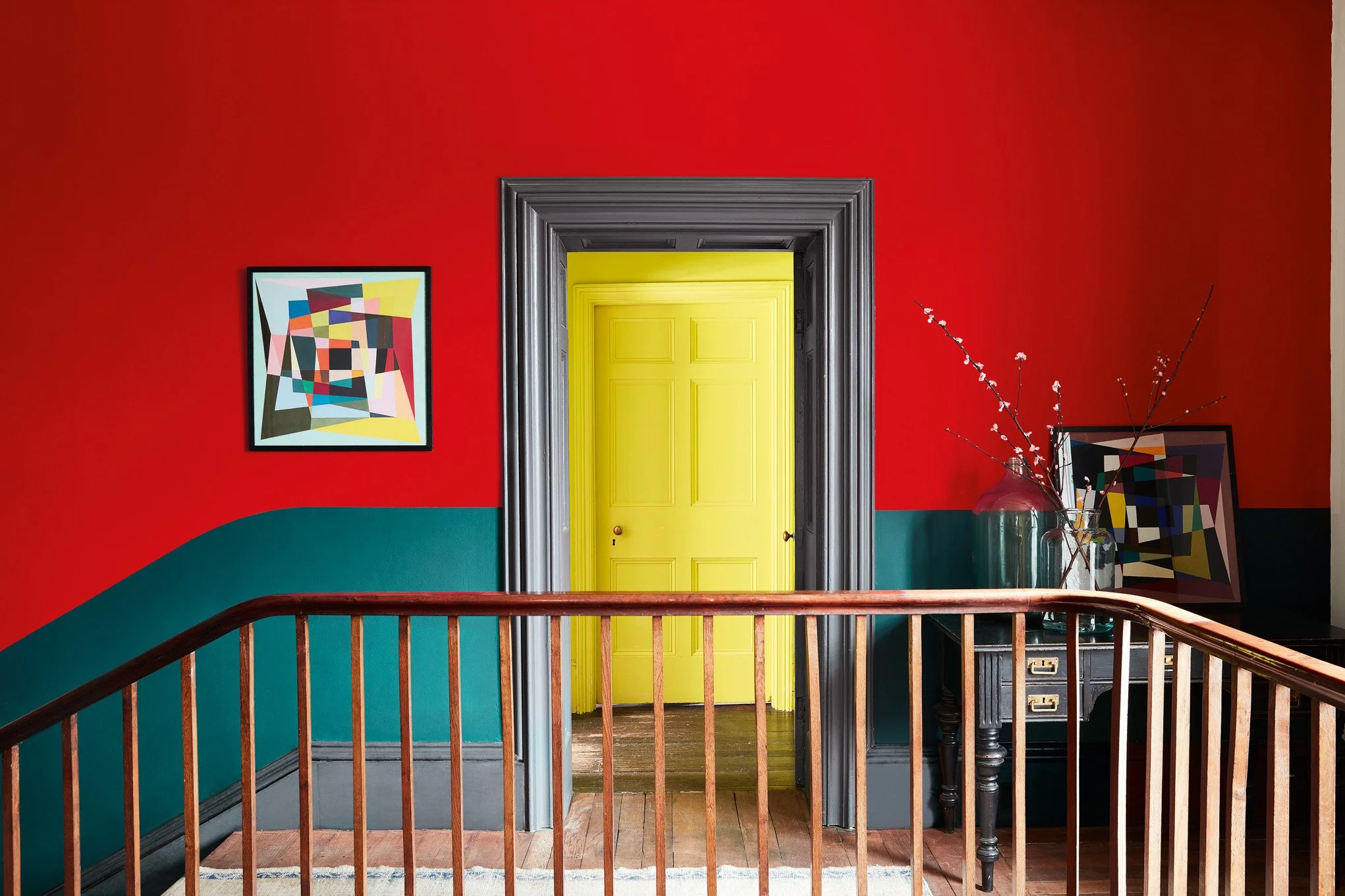
Photographs:Members of the Mottershead family, an image of one of their iconic colours “Puck” painted on door + wall, the Little Greene displays at newly opened Heritage Home Supply in Chicago’s Andersonville.
-
![]()
David Hunt Lighting
David Hunt Lighting is a storied British maker of bespoke and luxury lighting whose roots stretch back over 300 years. The earliest recorded Hunt family artisan was John Hunt, born in 1687 and listed as a master brass founder crafting fine candlesticks during the era of the Hanoverian dynasty. Across ten generations, the Hunts carried forward two enduring traditions: the eldest son was named John, and each devoted his life to crafting light. Throughout the Industrial Revolution and into the electrical age, the company evolved alongside new technologies and changing tastes. Hunts exhibited metalwork at the Great Exhibition of 1851, adapted to gas-lit lamps in the Victorian era, and embraced electric lighting design early in the 20th century, creating fittings that reflected both craftsmanship and innovation. Today, lighting from David Hunt is still handcrafted in their Cotswolds workshops, where traditional techniques meet a bespoke sensibility. Each piece is made to order with meticulous attention to material, finish, and detail — marrying timeless design values with contemporary application.
Heritage Home Supply is the exclusive United States retailer of David Hunt Lighting.
Photograph: Hand-finishing a lighting component in David Hunt Lighting’s Cotswolds workshop, where traditional craftsmanship continues to shape every piece.
-
![]()
Tureks Turunç Madencilik & Marble Systems
Description goes heIn 1982, Afyon was a quiet corner of Anatolia, shaped by ancient quarries and a long tradition of stonework. From this landscape, İsmail Ünal Turunç opened a small workshop rooted in local craft. What began as a family practice built on discipline, devotion, and durable workmanship grew steadily under the next Turunç generation. Today, still family-owned and family-led, Tureks Turunç Madencilik and Marble Systems supply the stone that becomes kitchens, entryways, and gathering spaces in communities like ours. Their reach is wide, but their values remain grounded: honest materials, steady craft, and a family name carried with pride. The slabs and tiles that arrive in Chicago come from people who have treated stone as a living heritage for generations.
Photographs:A century-old view of Afyon beside a modern Tureks quarry — two moments in the same landscape, showing how a village craft becomes the material that shapes homes half a world away.re
-
![]()
Vermont Natural Coatings
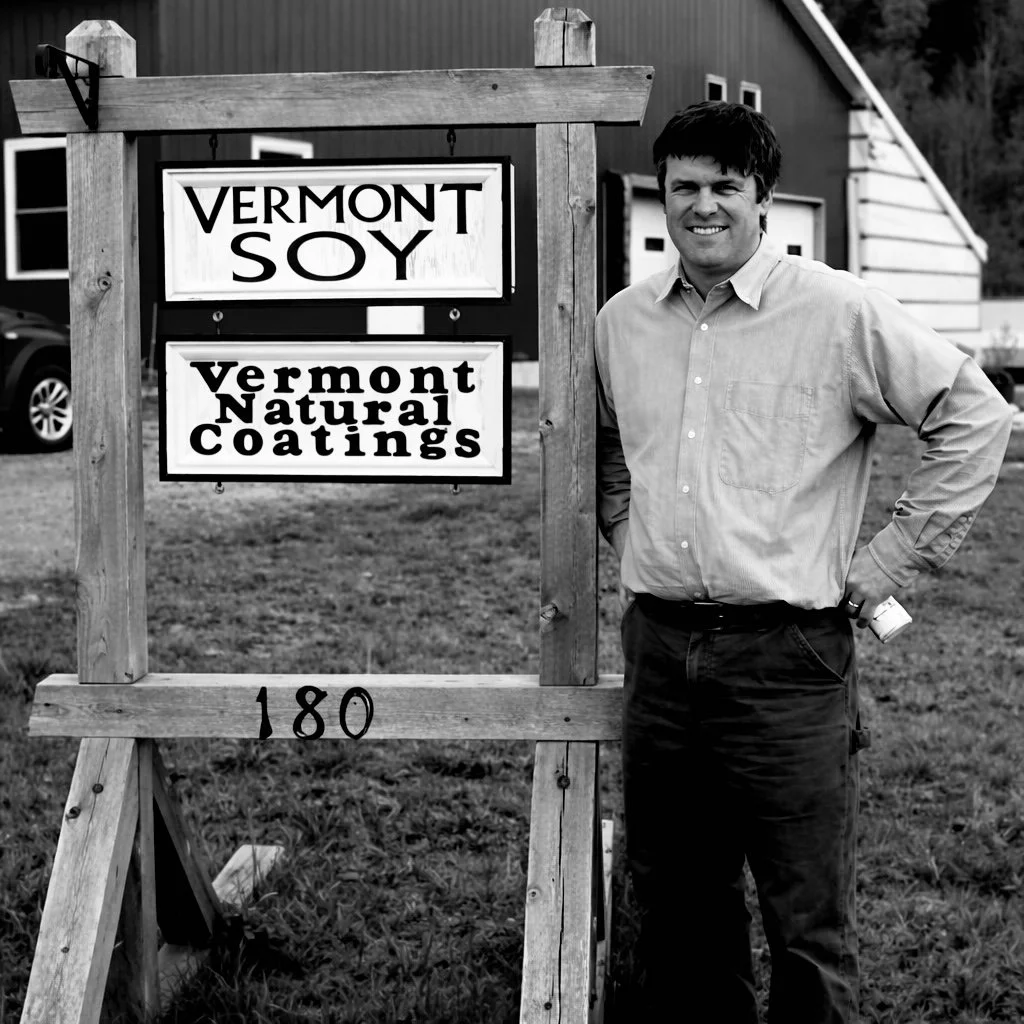
Vermont Natural Coatings traces its origins to an organic dairy farm in Hardwick, Vermont, where founder Andrew Meyer grew up surrounded by land, livestock, and the realities of stewardship. That agricultural setting sparked an unconventional idea: transforming whey, a byproduct of cheesemaking, into a high-performance, non-toxic finish.
Through years of research, Vermont Natural Coatings developed a proprietary whey-protein technology that replaces petroleum-based binders found in conventional finishes. The result is a durable, low-VOC coating that protects wood while preserving its natural grain and character.
Rooted in farming, refined through science, and guided by restraint rather than excess, Vermont Natural Coatings remains a privately held company committed to materials that are safer for homes, craftspeople, and the environments they inhabit — proof that innovation often begins by honoring what already exists.
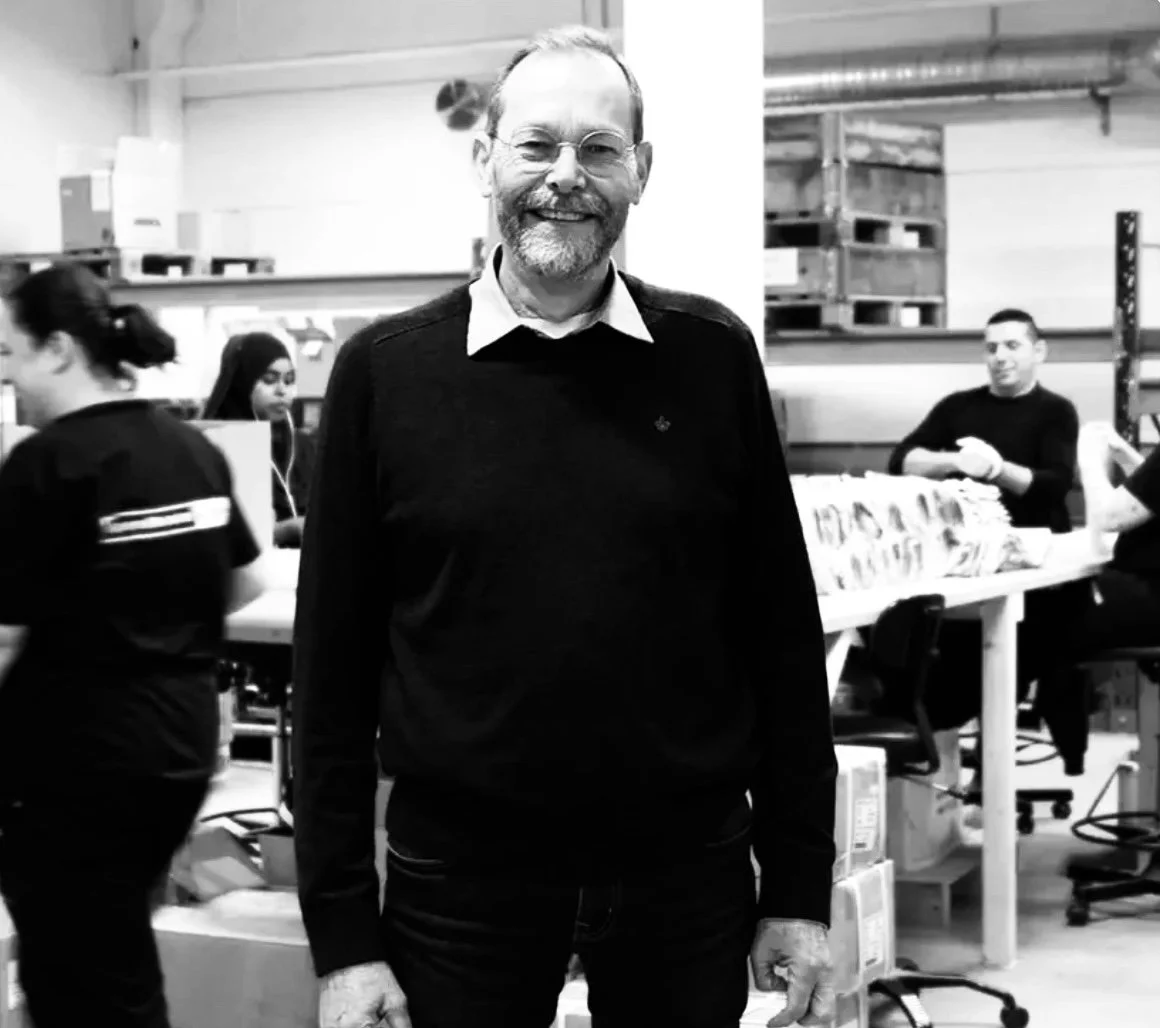
Photograph: Andrew Meyer, founder of Vermont Natural Coatings, pictured outside the company’s original Vermont facility alongside signage for Vermont Soy and Vermont Natural Coatings, the working landscape that shaped the company’s farm-rooted beginnings.
-
![]()
White River Hardwoods
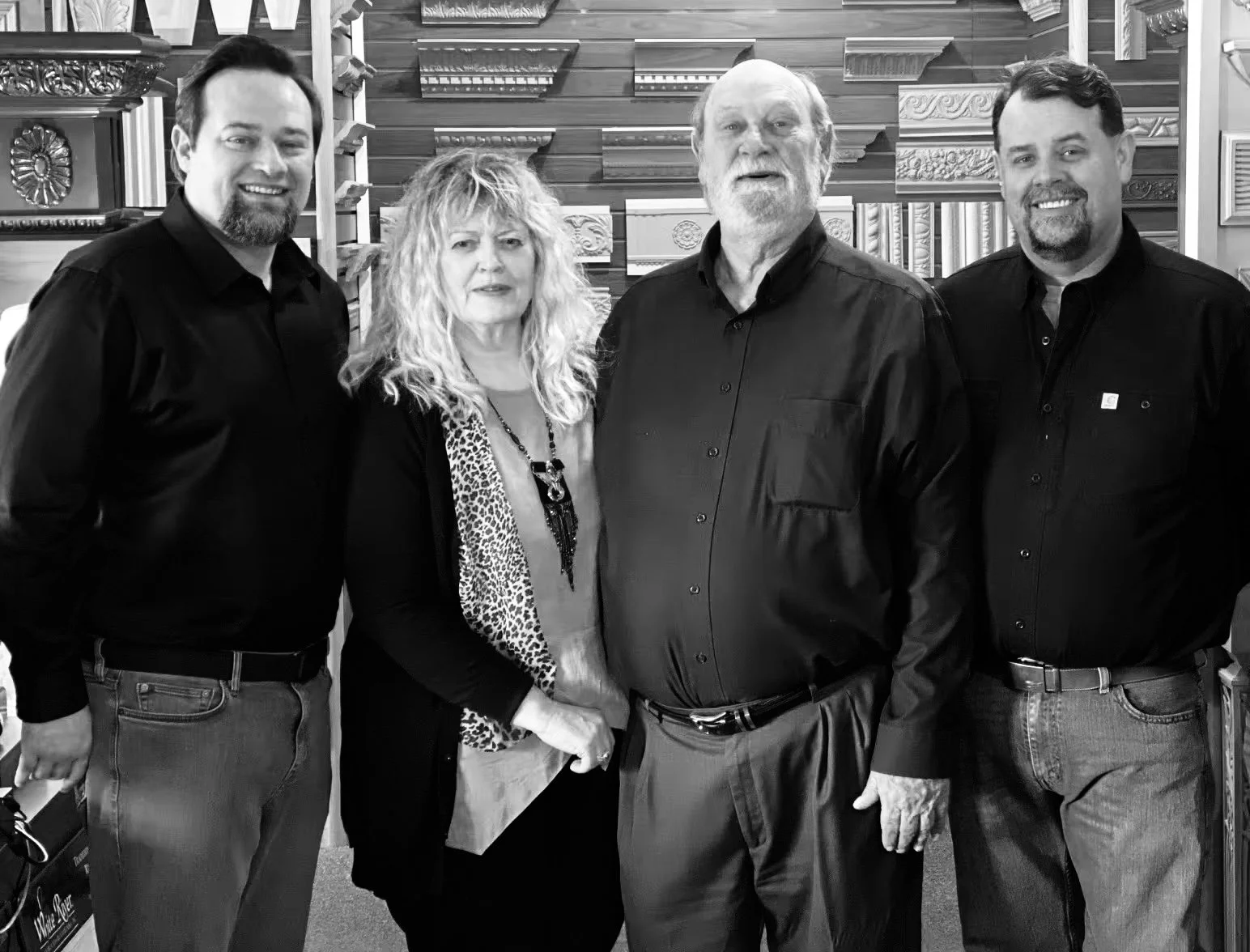
White River Hardwoods began in the mid-1970s, when Bruce and Joan Johnson noticed that new American homes were being finished with the same uniform softwood mouldings — and that true craftsmanship had quietly disappeared. They set out to change that, building a company around Poplar and Red Oak stain-grade mouldings rooted in classical proportions. Through the 1980s and 90s, their work helped architects, designers, and homeowners rediscover the beauty of refined profiles and rich timber details. Today, still family-owned, White River offers more than 3,000 in-stock mouldings, corbels, carvings, and architectural elements — all made in the USA and crafted to bring character and substance back into American homes.
Photograph: Bruce and Joan Johnson, founders of White River Hardwoods, pictured with their sons inside the company’s showroom. A demonstration of the modern craftsmanship in fabricating historical replications. Various installations of their unique products.
-
![]()
Jaclyn Mednicov Wallcoverings
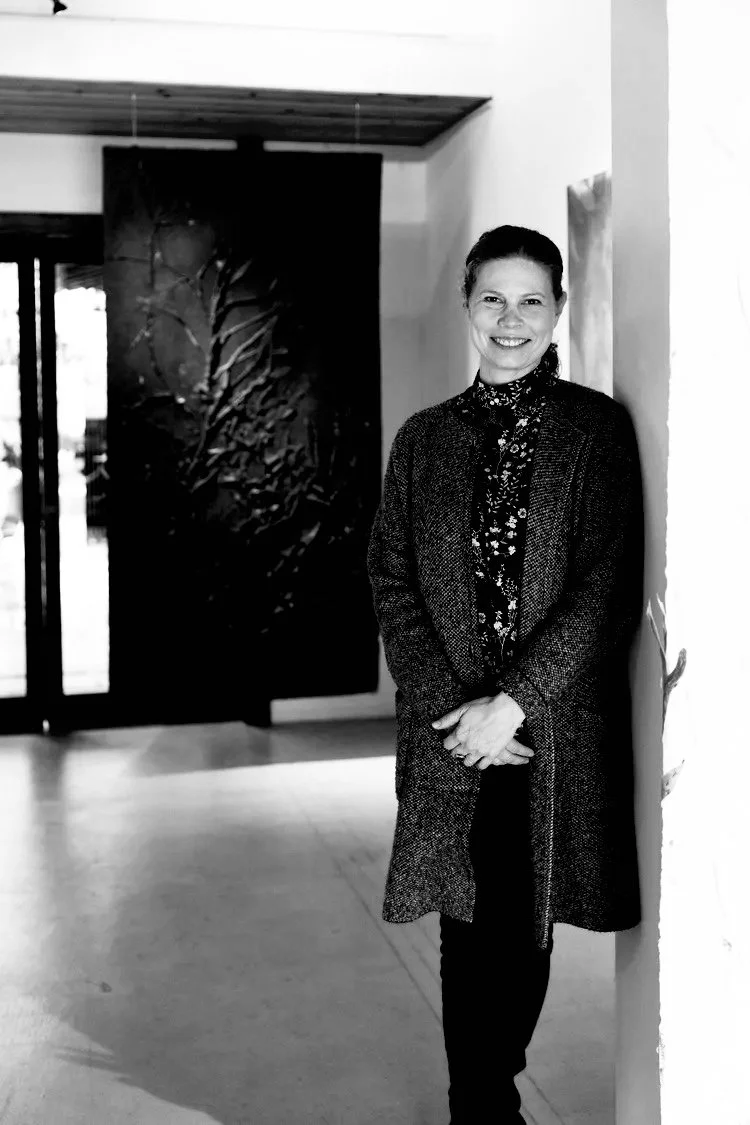
Jaclyn Mednicov grew up surrounded by uniform suburban architecture and found her earliest sense of wonder in nature. That refuge became the heart of her multidisciplinary practice, which explores botanicals as both material and metaphor. Using plants gathered locally or gifted by loved ones, she presses them into clay or encases them in washi paper, capturing details at the edge of decay and reflecting on time’s quiet impermanence.Her new wallpaper collection brings these ideas into interior spaces, pairing her own designs with patterns created in collaboration with a traditional block-printing workshop in Kyoto, Japan.Jaclyn is a Chicago-based artist with an MFA from the School of the Art Institute of Chicago. She has completed residencies in Japan, the Netherlands, and the U.S., and has exhibited at Gallery Heptagon, Goldfinch, the SEA Foundation, and Elmhurst Art Museum. Her work has been supported by grants from the National Endowment for the Arts, 3Arts, and the Netherland-America Foundation, and featured in LUXE Interiors, New American Paintings, and Printmaking Today.
Photographs: Artist Jaclyn Mednicov in her studio, where her nature-inspired, multidisciplinary practice evolves into the botanical impressions and patterns that shape her new wallpaper collection.Her collection is on display at Heritage Home Supply in Andersonville.
-
![]()
Speedheater System
In 1988, Swedish inventor Birger Ericson confronted a problem familiar to restorers: the tools used to remove old paint were damaging the very wood they aimed to preserve. Harsh chemicals and abrasive methods failed to protect the material, the craft, or the worker. Birger set out to create a better solution — one that protected wood, people, and the environment. His answer was a gentle infrared technology that released paint without scorching or harming the surface beneath. When he introduced the first Speedheater in 1991, restoration work changed.
As demand grew, the Speedheater became lighter, faster, and more precise, yet its values remained rooted in Swedish craftsmanship. Today, every model is still developed and tested in Alingsås, where Birger and his team uphold a culture of humility, shared responsibility, and a commitment to tools that genuinely help people.
In Chicago, the Speedheater product line is available exclusively at Heritage Home Supply in historically Swedish Andersonville, our store is appropriately one block from the Swedish American Museum. Including this Swedish inventor’s innovative system in our offerings feels like pure serendipity.
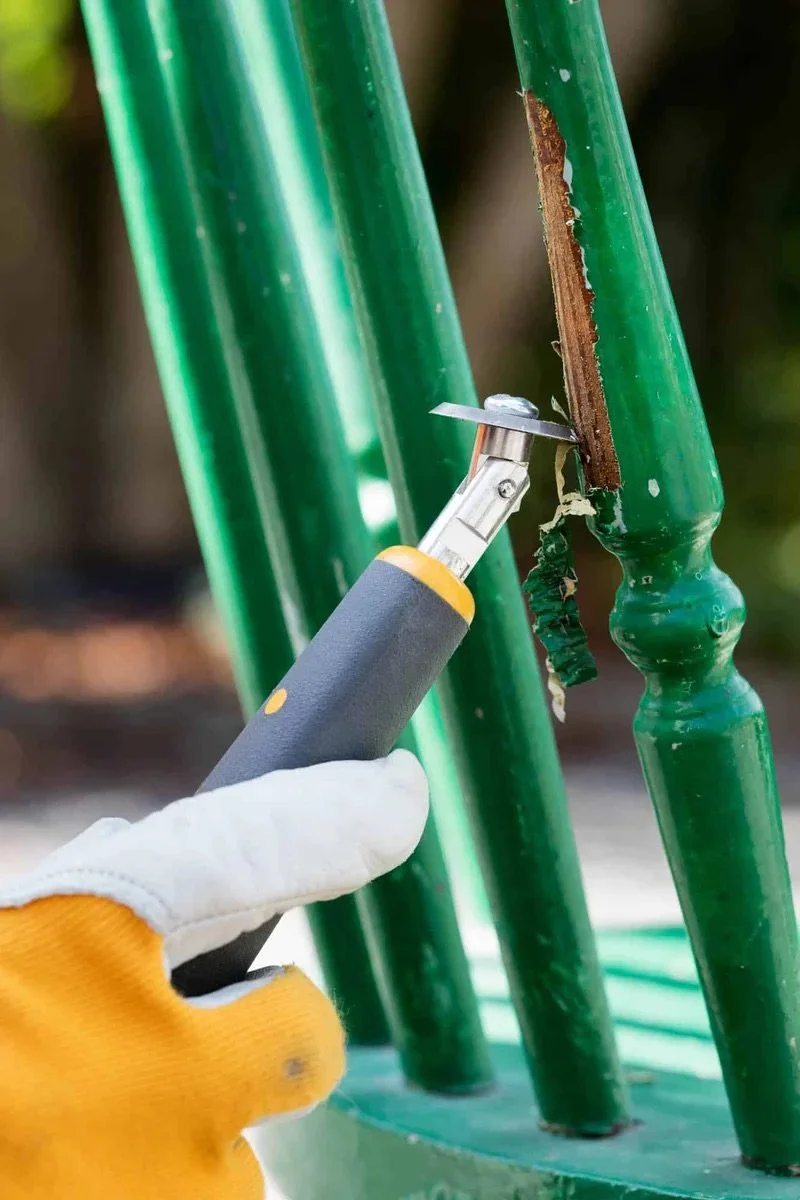
Photograph: Birger Ericson in his Swedish workshop where Speedheater tools continue to be crafted and refined.Various demonstrations of his patented system being utilized.
-
![]()
Buster + Punch
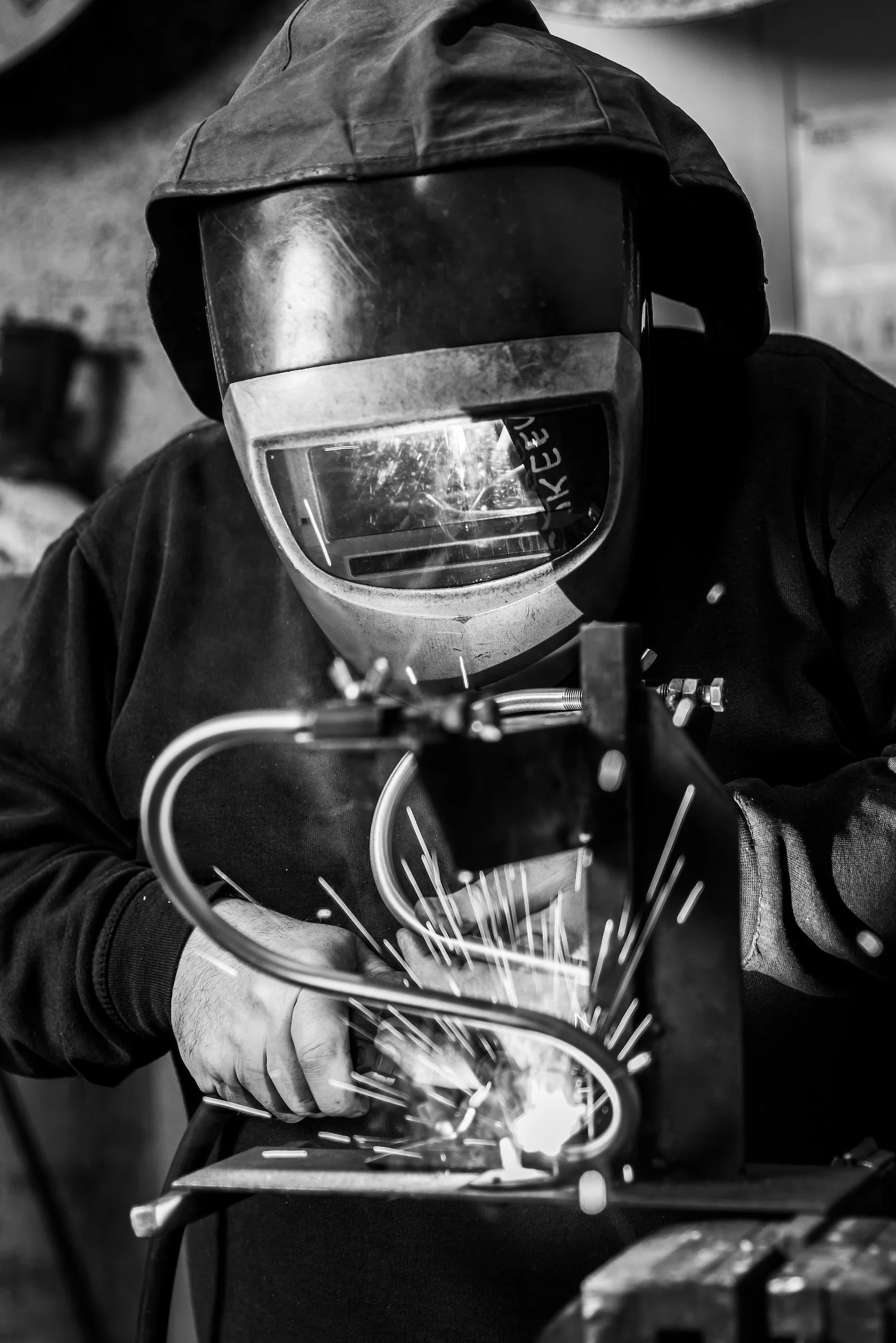
Buster + Punch began in a small East London garage, where architect Massimo Buster Minale started hand-crafting custom motorcycle parts and metalwork for friends in the city’s creative underground. What began as a sideline soon revealed something missing in modern homes: hardware made with the same integrity and attitude as the objects people truly cared about. Drawing on London’s tradition of metalworking and the raw precision of custom bike engineering, the studio began designing switches, handles, lighting, and hardware with jewelry-grade detailing — knurled metal, solid brass, and machining normally reserved for performance parts. As demand grew, Buster + Punch expanded its workshop but kept its ethos intact: everything begins with honest materials, engineered touchpoints, and the belief that even the smallest pieces of a home should feel extraordinary. Today, still independent and design-led, the company works with skilled makers across the UK and Europe to craft hardware that brings personality, weight, and craftsmanship back into everyday living.
Photograph: Massimo Buster Minale, founder of Buster + Punch, pictured in the East London workshop where his brand’s metal pieces were first crafted by hand.
-
![]()
Country Floors
In 1964, Norman Karlson was a New York still-life photographer who spent serious time working across Europe. Somewhere between assignments and itineraries, he kept noticing the same thing: the floors and walls weren’t “background.” They were the scene. In old hotels, seaside villas, and city apartments, tile wasn’t decoration, it was architecture with personality. Country Floors’ own telling even name-checks a travel arc from Lisbon to the Amalfi Coast to Seville’s Alfonso XIII Hotel as part of what hooked him.
And then comes the part that lives in lore (and honestly, lore is how design brands become religion): people would ask about the tile in the background of his photos. Whether that was models, interiors, still lifes, or all of the above, the idea is the same. The “supporting actor” kept stealing the scene. That curiosity became commerce: he returned to the U.S. and started importing European tile that was rarely seen here, explicitly including Delft.From the jump, the pitch wasn’t “we sell tile.” It was “we curate taste you can install.” The company later describes itself moving into the full creative process from concept through finished product, and becoming especially synonymous with terracotta in the American market
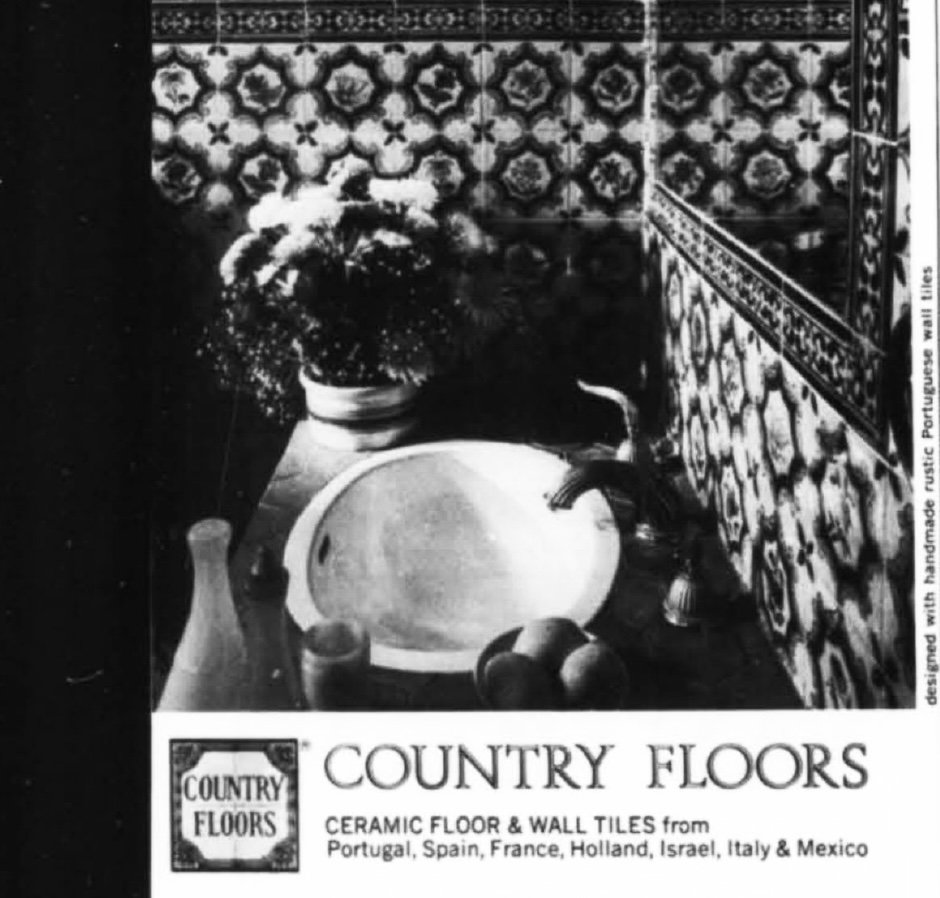
Photograph: A Country Floors advertisement in a September 1976 issue of Interiors magazine.
-
![]()
Margraf
It all started in Chiampo, in 1906. A village in the province of Vicenza, in the Venetian Pre-Alps. A Company, Industria Marmi Vicentini, began extracting marble blocks from local quarries and processing them at its nearby factory. The rest is history: constant growth from 1935, under Gaetano Marzotto, the birth of Margraf Spa in the 1980s, the merger into the Linea Marmo Group in 1999. Today, Margraf is still a family owned business that supplies over 400 types of natural stone; a leader among the world’s most advanced and versatile stone manufacturers.
Margraf’s Rethink Marble initiative reframes marble as a material that can be sourced and produced with real environmental accountability, built around habitat protection and circular use. Through the program, Margraf safeguards the natural ecosystem surrounding its Fior di Pesco Carnico® quarry, boosts cleaner production with renewable power (with 35% of energy generated by on-site solar), and dramatically reduces water impact by purifying and reusing 77% of water in its operations. On the restoration and circular-economy side, the company has planted 2,000 trees within its quarry areas and recovered 85,000 tonnes of scrap marble, keeping valuable material in use rather than in waste streams.
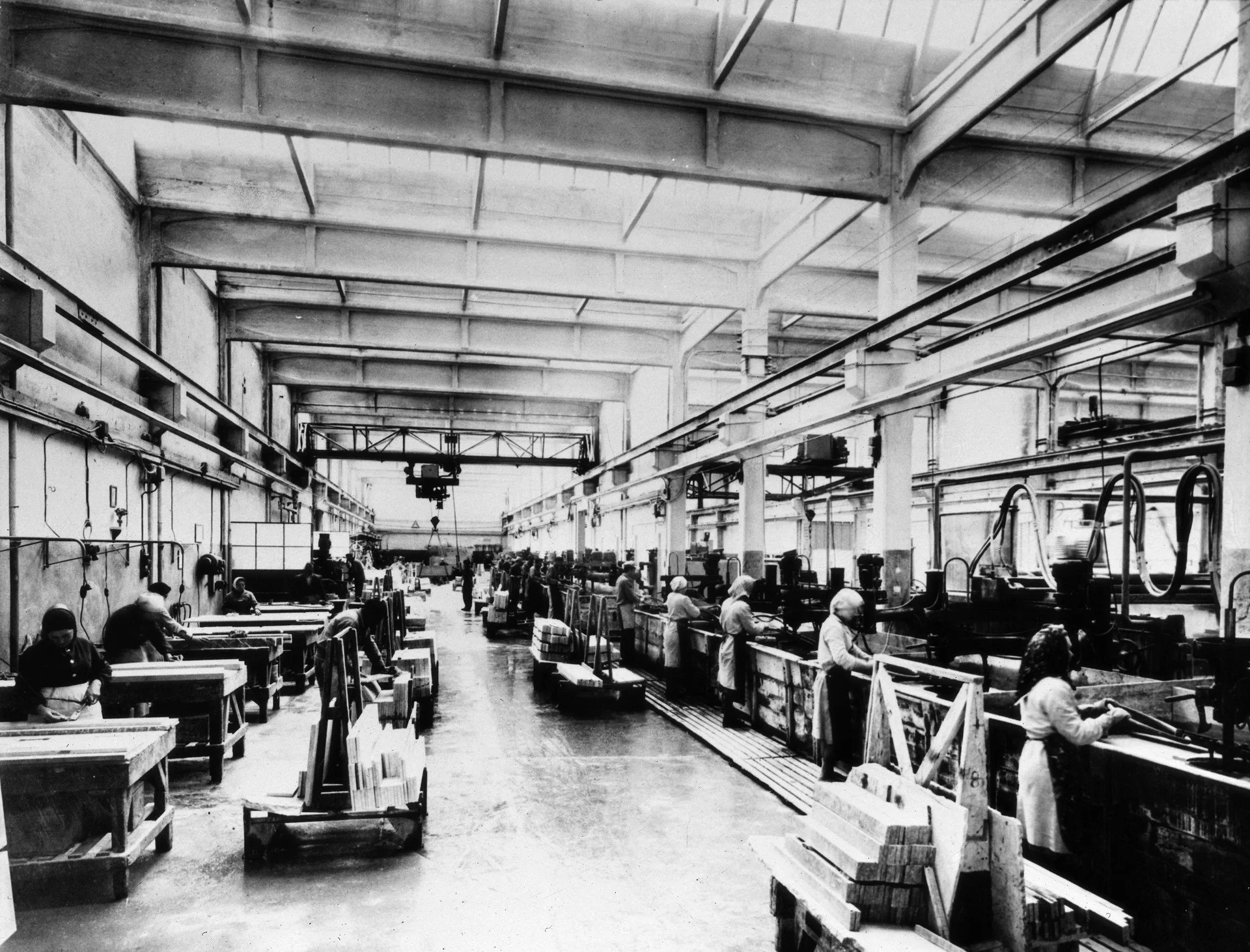
Photograph: The Marmi factory, run entirely by women after the men left for The First World War, preserving the company’s stonecutting tradition through the upheaval of an era.






















Visit Us
5117 N Clark St
Chicago, IL 60640
Hours
Monday–Saturday 7am–7pm &Sunday 11am - 6pm
Phone
(773) 739-9370